
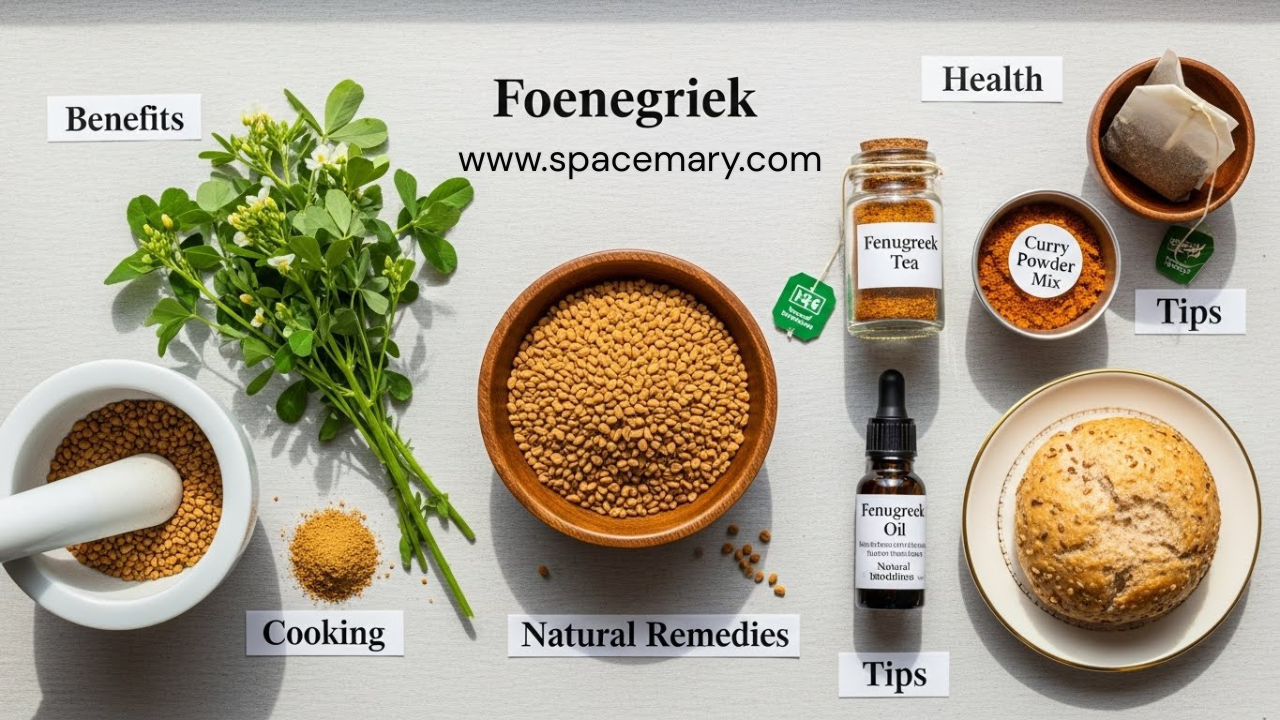
Fenugreek, or foenegriek as it’s known in Dutch, is a spice that has been making waves in health and wellness circles. Often overlooked for more popular herbs, this tiny seed packs a powerful punch when it comes to flavor and benefits. From the bustling markets of India to modern kitchens around the world, fenugreek has earned its place as both a culinary delight and a natural remedy.
But what exactly makes foenegriek so special? With roots deep in history and culture, it’s not just another seasoning; it carries with it stories of ancient traditions and medicinal practices. Whether you’re curious about its health advantages or looking to elevate your cooking game, this versatile ingredient could be just what you need. Let’s dive into the remarkable world of fenugreek!
Historical and Cultural Significance
Fenugreek, known as “foenegriek,” has roots steeped in history. This herb traces back to ancient civilizations such as Egypt and India. It was revered not only for its culinary uses but also for its medicinal properties.
In Egyptian culture, fenugreek seeds were often found in tombs, believed to aid in the afterlife. The Greeks recognized foenegriek’s value too; Hippocrates even mentioned it in his medical texts.
Indian traditions celebrate this spice extensively. It’s a staple ingredient in numerous dishes and is considered vital for promoting health and wellness within Ayurvedic practices.
Across cultures, fenugreek has symbolized prosperity and fertility. Its presence at weddings signifies blessings for new beginnings. Today, this ancient herb continues to weave through various cuisines and traditions around the world, linking generations with its rich legacy.
Health Benefits of Fenugreek
Fenugreek, or foenegriek, is a powerhouse of nutrition. It’s rich in vitamins and minerals like iron, magnesium, and vitamin B6. These nutrients can significantly boost your overall health.
One of its standout benefits is blood sugar regulation. Studies suggest that fenugreek may help lower blood glucose levels, making it an excellent choice for those managing diabetes.
Additionally, this herb supports digestive health. Its high fiber content aids in digestion and helps alleviate issues such as constipation.
Women have long used fenugreek to ease menstrual discomfort. Its anti-inflammatory properties can provide relief from cramps and hormonal fluctuations.
Moreover, fenugreek has potential cholesterol-lowering effects. Regular consumption could lead to improved heart health by reducing bad cholesterol levels while increasing the good ones.
Incorporating this versatile herb into your diet opens up a world of wellness possibilities.
Ways to Incorporate Fenugreek into Your Diet
Fenugreek can easily enhance your meals with its distinctive flavor. Start by adding the seeds to curries and stews for a nutty, slightly sweet taste.
If you prefer something lighter, try sprinkling ground fenugreek over roasted vegetables or salads. It adds an unexpected twist that elevates simple dishes.
You can also brew fenugreek tea. Simply steep the seeds in hot water for a soothing drink packed with health benefits.
For those looking to bake, incorporate fenugreek powder into bread or muffins. The aromatic quality complements whole grains beautifully.
Don’t forget about smoothies! A teaspoon of powdered fenugreek blends seamlessly into fruit smoothies without overpowering other flavors while boosting their nutritional profile.
Experimenting with these ideas will unlock new culinary possibilities and bring the many benefits of foenegriek into your daily diet.
Beauty and Skincare Uses for Fenugreek
Fenugreek, or foenegriek, is a hidden gem in the beauty world. This humble herb boasts powerful properties that can transform your skincare routine.
Its natural anti-inflammatory qualities help soothe irritated skin. You can create a simple face mask by mixing ground fenugreek seeds with yogurt to combat acne and reduce redness.
Rich in antioxidants, fenugreek aids in fighting free radicals. This makes it an excellent addition to anti-aging routines. A paste of soaked seeds applied directly on the skin promotes elasticity and gives you a youthful glow.
For hair care enthusiasts, fenugreek works wonders too. A hair mask made from boiled seeds nourishes the scalp and strengthens strands, reducing breakage and promoting growth.
Using fenugreek regularly not only enhances your beauty regimen but also connects you with nature’s potent remedies. Embrace this multifaceted ingredient for healthy skin and luscious hair.
Side Effects and Precautions
Fenugreek, or foenegriek, is generally safe for most people when consumed in moderate amounts. However, it’s important to be aware of potential side effects.
Some individuals may experience gastrointestinal discomfort like bloating or diarrhea. This can happen if you introduce fenugreek suddenly into your diet. Start with small doses to gauge your body’s reaction.
Allergic reactions are rare but possible. Symptoms might include rashes, swelling, or difficulty breathing. If any of these occur after consuming fenugreek, seek medical attention immediately.
Pregnant women should exercise caution as well. Fenugreek may stimulate contractions and affect hormonal balance during pregnancy.
Consulting a healthcare professional before adding foenegriek supplements is wise, especially for those on medication or with underlying health conditions. Always prioritize safety while exploring the benefits of this remarkable herb.
Where to Find and How to Store Fenugreek
Finding fenugreek is easier than you might think. You can typically find it in health food stores, spice shops, and supermarkets. Look for both whole seeds and powdered forms. Online retailers also offer a variety of options if local availability is limited.
When selecting fenugreek, ensure the packaging is intact and free from moisture. Freshness matters; older stock may lose potency.
Storing fenugreek properly extends its shelf life. Keep the seeds or powder in an airtight container to prevent exposure to air and light. A cool, dark place like a pantry or cupboard works well.
For ground fenugreek, use it within six months for optimal flavor. Whole seeds can last up to a year when stored correctly, making them a versatile addition to your kitchen arsenal without frequent replacements needed.
Conclusion
Fenugreek, or foenegriek, is a remarkable herb that has stood the test of time. Its rich history and cultural significance demonstrate its value across various societies. From ancient medicinal practices to modern-day health benefits, fenugreek continues to impress with its versatility.
Incorporating this powerhouse into your diet can be simple and rewarding. With creative culinary uses as well as beauty applications, foenegriek offers something for everyone. Whether you’re looking to enhance your meals or elevate your skincare routine, fenugreek provides an array of options.
While it’s mostly safe for consumption and use, being aware of potential side effects ensures a positive experience. Proper storage techniques will help you maintain the freshness of this incredible herb.
By exploring the world of foenegriek, you open doors to numerous advantages that benefit both body and mind. Embrace this powerful ingredient in your daily life!