
Imagine stepping into your backyard and picking ripe, juicy pears straight from the tree. The Navigator pear trees offer just that delightful experience. These unique fruit trees not only provide delicious harvests but also enhance the beauty of any garden. If you’ve ever dreamed of growing your own fruit, now is the perfect time to explore how easy it can be with Navigator pears.
Whether you’re a seasoned gardener or just starting out, nurturing these trees can be immensely rewarding. With their stunning blossoms in spring and lush green foliage throughout summer, they bring life to your outdoor space while providing tasty fruits for you and your family. Let’s dive into everything you need to know about cultivating these fantastic trees for yourself!
Benefits of Growing Your Own Pear Trees
Growing your own pear trees, like the Navigator variety, offers numerous advantages. First and foremost, there’s the joy of harvesting fresh fruit from your garden. Nothing beats biting into a ripe pear that you’ve nurtured yourself.
Home-grown pears also boast superior flavor compared to store-bought options. You can pick them at their peak ripeness for maximum taste and sweetness.
Additionally, cultivating these trees promotes sustainability. You’ll reduce your carbon footprint by minimizing food miles associated with grocery shopping.
Pear trees can enhance your landscape too. Their beautiful blossoms in spring attract pollinators while adding aesthetic value to your yard.
Gardening provides therapeutic benefits. Tending to plants can be a stress-reliever and allows you to connect with nature on a deeper level. It’s rewarding work that pays off deliciously!
Choosing the Right Location for Your Navigator Pear Tree
Selecting the right location for your Navigator pear tree is crucial to its success. These trees thrive in full sunlight, so aim for a spot that receives at least six hours of direct sun each day.
Consider the soil drainage as well. Navigator pears prefer well-drained soil to prevent root rot. Avoid low-lying areas where water tends to pool after rain.
Space is also important; ensure there’s enough room for growth and airflow around the tree. A distance of about 15 feet from other plants or structures can keep it healthy and vigorous.
Think about protection from harsh winds. If possible, plant your Navigator pear near a natural windbreak like shrubs or fences to shield it during stormy weather conditions. This will help promote better fruit development and overall health over time.
Preparing the Soil for Planting
Preparing the soil for your Navigator pear tree is a crucial step that sets the stage for healthy growth. Start by selecting a spot with well-draining soil. Pear trees thrive in loamy or sandy textures, which allow water to flow freely.
Next, test the pH level of your soil. Ideally, it should be between 6.0 and 7.0. If it’s too acidic or alkaline, you can amend it using lime or sulfur as needed.
Incorporate organic matter like compost into the ground before planting. This enriches the soil with nutrients while improving its structure.
Clear away any weeds or debris from your chosen area to reduce competition for nutrients and water. A clean slate ensures your young tree will have every advantage as it establishes itself in its new home.
Consider aerating compacted areas to promote root penetration and overall health once planted.
Planting and Caring for Navigator Pear Trees
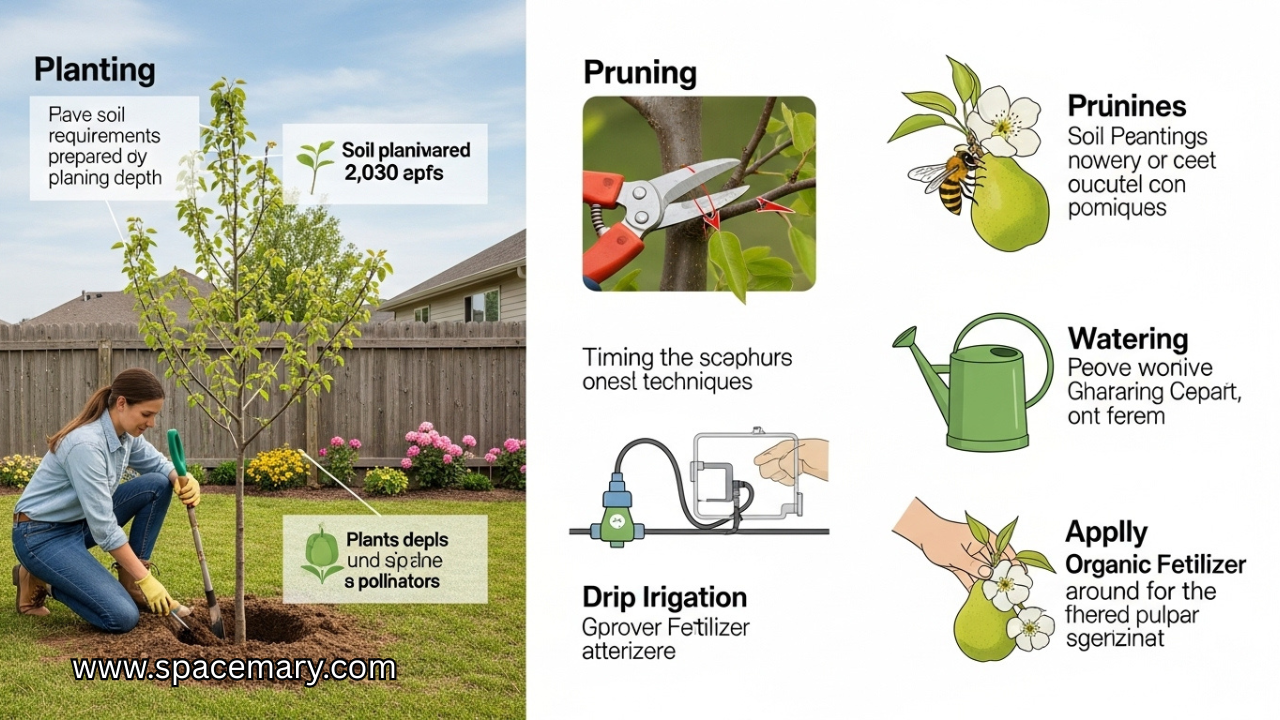
Planting Navigator pear trees is a rewarding venture. Begin by selecting healthy, nursery-grown saplings. Ideally, plant them in early spring or fall when temperatures are cooler.
Dig a hole that’s twice the width of the root ball but no deeper than its height. This ensures strong roots can spread out easily in the soil. After placing your tree, backfill with native soil and water thoroughly to eliminate air pockets.
Caring for these trees involves regular watering during dry spells. Aim for deep watering sessions rather than frequent light ones; this promotes robust root growth. Mulching around the base helps retain moisture and suppress weeds.
Pruning is essential too—focus on shaping your tree while removing any dead or diseased branches each winter. Fertilize annually in early spring with a balanced product tailored for fruit trees to boost growth and fruit production throughout the season.
Common Pests and Diseases to Watch Out For
Navigator pear trees, like any fruit-bearing plants, can attract a variety of pests. Aphids are one such nuisance; these small insects feed on the sap and can weaken your tree if left unchecked. Regular monitoring is essential.
Another pest to be vigilant about is the pear psylla. These tiny bugs can cause significant damage by sucking juices from new growth and leaves. If you notice black sooty mold forming, it’s often a sign of their presence.
Diseases also pose threats to navigator pears. Fire blight is particularly concerning, manifesting as darkened branches that appear burned at the tips. Pruning affected areas promptly helps in managing this issue.
Powdery mildew may settle on your leaves, resulting in white spots that hinder photosynthesis. Ensure good air circulation around your tree to minimize this risk.
Regular inspections and prompt action will keep your navigator pear healthy and productive.
Harvesting and Preserving Your Navigator Pears
Harvesting Navigator pears is an exciting step in your gardening journey. The best time to pick them is when they transition from green to a slightly yellow hue, usually in late summer to early fall. A gentle twist should detach the fruit easily from its stem. Avoid yanking them off; this can bruise the delicate skin.
Once harvested, it’s important to handle the pears with care. Store them in a cool place for optimal ripening and flavor enhancement.
To preserve Navigator pears, consider canning or making delicious jams and jellies. Simply peel and core the fruits before cooking them down with sugar and spices of your choice. You can also freeze slices after blanching – this keeps their taste fresh for months.
Experimenting with different preservation methods not only reduces waste but also allows you to enjoy these delightful fruits throughout the year!
Conclusion
Growing Navigator pear trees can be a rewarding endeavor. With the right care and attention, these trees produce delicious fruits that can elevate your gardening experience. The journey from planting to harvesting is filled with anticipation and joy.
As you nurture your Navigator pear tree, you’ll witness its growth, form connections with nature, and enjoy the satisfaction of watching it thrive. When harvest time arrives, you’ll not only reap the literal fruits of your labor but also gain a sense of accomplishment unlike any other.
Whether you decide to eat them fresh off the tree or preserve them for later use, each bite will remind you of your hard work and dedication. Embrace this beautiful process and savor every moment spent in your garden as you cultivate a bountiful yield from your Navigator pear tree.