
If you’ve ever indulged in sushi, chances are you’ve come across tobiko. These tiny, vibrant fish roe add a delightful burst of flavor and texture to your favorite dishes. But there’s more to tobiko than just its eye-catching appearance. This delicacy has a rich history, diverse flavors, and an array of colors that can truly elevate your culinary experience. Whether you’re a seasoned foodie or just curious about this unique ingredient, join us as we dive into the fascinating world of tobiko and discover what makes it so special!
The History of Tobiko
Tobiko, the vibrant fish roe often seen gracing sushi rolls, has a rich history rooted in Japanese culinary traditions. Its origins date back centuries, with references to flying fish as a food source noted in ancient texts.
Fishermen off the coast of Japan began harvesting these small eggs for their unique texture and flavor. Initially enjoyed by local communities, tobiko gradually gained popularity across Asia.
As sushi culture spread globally in the 20th century, so too did its delightful topping. Chefs worldwide embraced tobiko for its pop and versatility.
Today, it’s not just about tradition; innovative flavors have emerged alongside classic varieties. The evolution of tobiko reflects both cultural heritage and modern gastronomy’s creativity.
How Tobiko is Made
Tobiko, the delicate fish roe beloved in sushi, comes from the eggs of flying fish. The harvesting process is quite meticulous. Fishermen collect these tiny golden pearls during specific seasons when they are at their peak.
Once gathered, the eggs undergo a careful washing process to remove impurities and excess salt. This step ensures that only the freshest flavors remain intact.
Next comes seasoning. Tobiko is typically flavored with natural ingredients such as wasabi or yuzu for added zest. This stage not only enhances its taste but also contributes to its vibrant colors.
The finished product is then packaged quickly to preserve freshness. Proper storage ensures that it retains its signature crunchiness and rich flavor profile until it reaches your plate. Each bite of tobiko encapsulates a journey from ocean depths to culinary delight, making it an exceptional ingredient in various dishes.
Popular Types of Tobiko
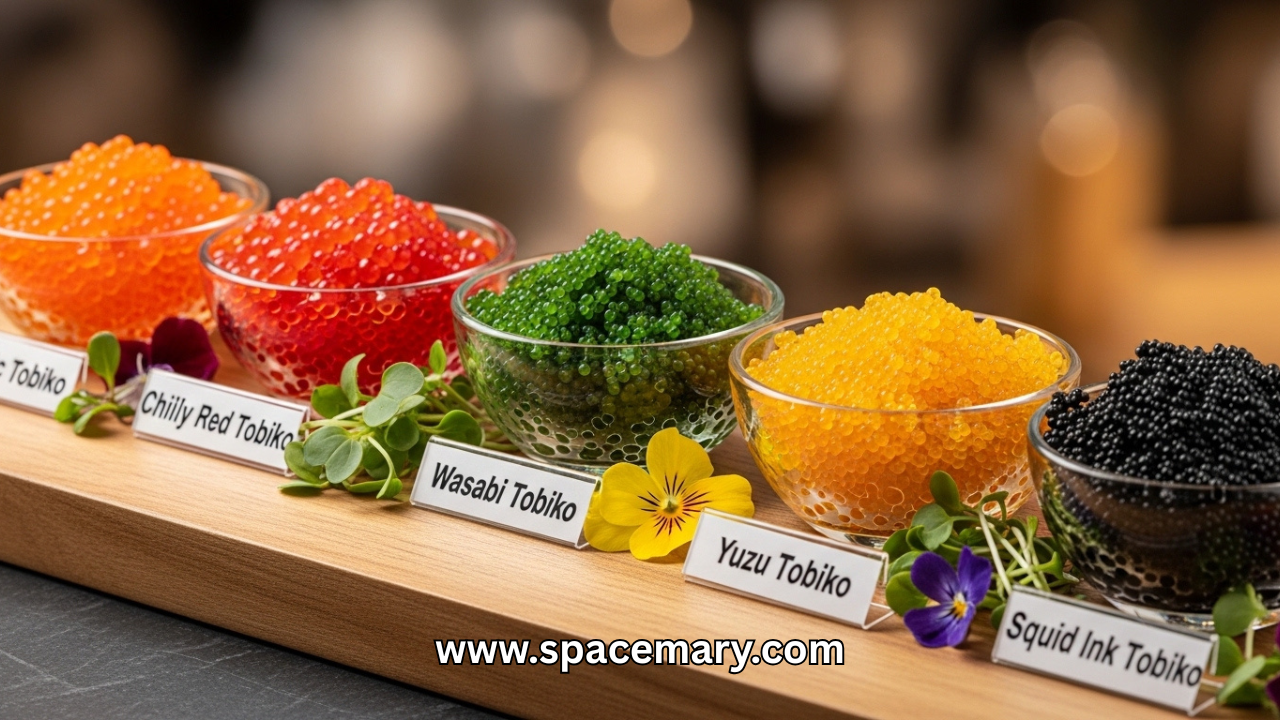
Tobiko comes in various types, each offering a unique taste and texture. The most common variety is the traditional orange tobiko. It has a slightly sweet flavor with a crunchy bite, making it ideal for sushi rolls.
Then there’s black tobiko, which showcases a more intense umami profile. Often used as an embellishment on gourmet dishes, its bold color adds sophistication to any plate.
Green tobiko brings an unexpected twist. Infused with wasabi, it offers spiciness alongside that signature crunch. This type appeals to adventurous eaters looking for something different.
Red tobiko stands out due to its vibrant hue and mild flavor. It’s often used in fusion cuisine and pairs well with creamy sauces or fresh vegetables.
Exploring these varieties can enhance your culinary experience and elevate your favorite dishes!
Exploring the Different Flavors of Tobiko
Tobiko, the vibrant fish roe often found in sushi, is a treasure trove of flavors. Each variety brings its own unique twist to the palate.
Wasabi tobiko offers a spicy kick that can elevate any dish. It’s perfect for those who crave heat and excitement in their bites.
On the other hand, yuzu tobiko introduces a zesty citrus note, brightening up your meal with refreshing undertones. This flavor complements seafood beautifully.
For something sweet and savory, consider mango tobiko. The tropical essence adds an unexpected layer to traditional sushi rolls.
There’s smoked tobiko which delivers a deep richness reminiscent of campfires and barbecues. It’s great for adding depth to various dishes without overwhelming them.
With such diverse options available, there’s always a new flavor of tobiko waiting to be discovered on your culinary journey.
The Various Colors of Tobiko and Their Meanings
Tobiko comes in a vibrant array of colors, each carrying its own unique significance. The classic orange hue is the most recognized and widely used. It symbolizes freshness and is often associated with traditional sushi dishes.
Green tobiko gets its color from wasabi or seaweed, adding a spicy kick to your plate. This variety not only enhances flavor but also brings an exciting visual element to any dish.
Black tobiko stands out for its distinctive look and rich taste. Often derived from squid ink, it embodies sophistication and depth, elevating gourmet creations.
Red tobiko offers a bright pop that pairs beautifully with seafood dishes. Its boldness signifies enthusiasm and creativity in culinary presentations.
Each color of tobiko tells a story while enhancing both flavor profiles and aesthetics on the dining table. Choosing wisely can transform your meal experience into something extraordinary.
How to Incorporate Tobiko into Your Dishes
Tobiko is a versatile ingredient that can elevate many dishes. Its delicate crunch and briny flavor add a delightful texture to various culinary creations.
Start by sprinkling tobiko over sushi rolls for an elegant touch. It pairs beautifully with both traditional and contemporary fillings, enhancing the overall taste profile.
Consider using it in salads as well. A light vinaigrette combined with fresh greens and tobiko creates a refreshing dish that’s visually appealing too.
For those who enjoy seafood, adding tobiko to poke bowls brings an exciting burst of flavor. The little pearls complement diced fish wonderfully, making each bite memorable.
Don’t forget about appetizers! Top your favorite deviled eggs or bruschetta with a dollop of tobiko for an unexpected twist that guests will love.
Experiment with infused oils or sauces containing tobiko to drizzle over grilled meats or vegetables. It’s all about creativity in the kitchen!
Fun Facts About Tobiko
Tobiko, the tiny fish roe that adds a delightful crunch to sushi, has some intriguing aspects. Did you know that each egg is about 0.5 millimeters in diameter? Their small size packs a flavorful punch.
Often mistaken for caviar, tobiko comes from flying fish and is more affordable and accessible. It’s also rich in omega-3 fatty acids, making it a healthy choice for those looking to enhance their diet.
Another fun fact: tobiko can be dyed using natural ingredients like squid ink or wasabi. This not only alters its appearance but adds unique flavors as well.
In Japan, tobiko is often used during celebrations and events as a symbol of good fortune and prosperity. Its vibrant colors make any dish pop visually, turning an ordinary meal into something extraordinary!
Conclusion
Tobiko is more than just a garnish; it’s an experience. This versatile ingredient enhances texture and flavor in various dishes, making it a favorite among sushi lovers and culinary adventurers alike. From its humble beginnings to the sophisticated creations gracing modern tables, tobiko continues to intrigue food enthusiasts.
Whether you enjoy the crunch of wasabi-flavored tobiko or prefer the classic taste of traditional varieties, there’s no denying its appeal. The vibrant colors not only make dishes visually stunning but also signify different flavors and origins.
As you explore new recipes or dine at your favorite sushi restaurant, consider incorporating this delightful roe into your meals. Its unique properties can elevate simple dishes into extraordinary culinary experiences.
With so much to discover about tobiko, it’s clear that this small yet mighty ingredient deserves a place in kitchens around the world. So go ahead—experiment with different types and flavors of tobiko as you dive deeper into this delicious seafood treasure.