
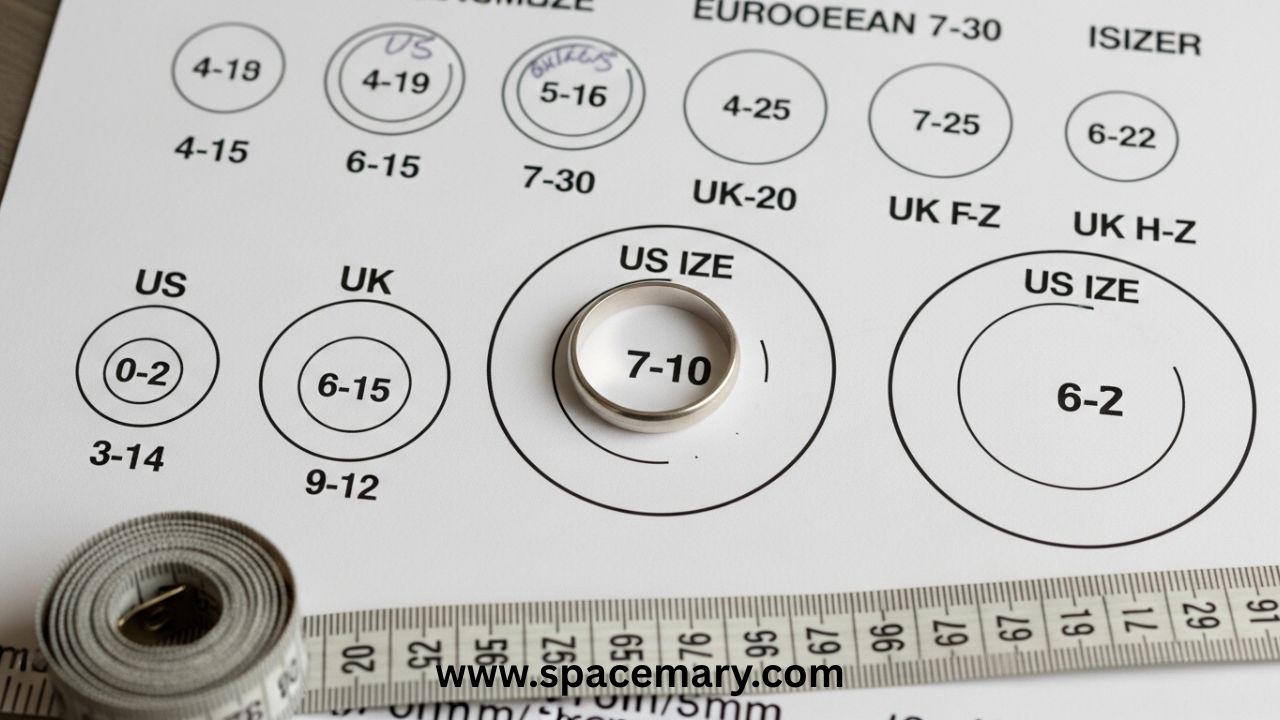
Finding the perfect ring can be an exciting journey, but if you’re unsure about your size, it can quickly turn into a frustrating experience. Whether you’re shopping for an engagement ring or treating yourself to something special, knowing your correct ring size is essential. With international styles and sizing systems, navigating through the numerous options might feel overwhelming. Fear not! This guide will simplify the process of understanding ring size charts so you can confidently select that stunning piece without any guesswork involved. Let’s dive in and make this adventure as seamless as possible!
The Importance of Knowing Your Ring Size
Understanding your ring size is crucial, whether you’re shopping for yourself or surprising someone special. A perfectly fitting ring not only enhances comfort but also showcases the beauty of the piece.
Wearing a ring that’s too tight can lead to discomfort and even painful experiences. Conversely, a loose ring can slip off easily, leading to potential loss. Neither scenario adds joy to your jewelry experience.
Beyond practicality, knowing your exact size helps you make informed choices when browsing online stores or visiting local jewelers. Many shops have specific return policies regarding incorrect sizes; avoiding these pitfalls saves time and frustration.
If you’re selecting an engagement ring or a meaningful gift, getting it right shows thoughtfulness and care. You convey love through every detail—especially when it comes to ensuring that perfect fit on someone’s finger.
Differences in International Ring Sizes
When it comes to ring sizes, things can get a bit tricky across different countries. Each region has its own measurement system. This often leads to confusion for shoppers.
For instance, the US uses a numerical scale that ranges from 3 to 13. Meanwhile, European countries typically rely on circumference measurements in millimeters. A size 6 in the US might translate to a size 52 in France.
The UK and Australia follow an alphabetical system, where sizes like J or Q indicate specific circumferences as well. Japan offers yet another twist with its unique numbering system.
Understanding these differences is crucial when purchasing rings internationally. Miscommunication about sizes can lead to ill-fitting jewelry and disappointed wearers. Always double-check your desired size against international charts before making a purchase decision!
How to Measure Your Ring Size at Home
Measuring your ring size at home can be simple and quick. Start by gathering a few tools: a piece of string or dental floss, a ruler, and scissors.
Wrap the string around the base of your finger. Make sure it’s snug but not too tight. Mark where the ends meet for an accurate measurement.
Next, use the ruler to measure the length in millimeters from that mark to the end of the string. This number will help you determine your size on standard charts.
If you’re unsure about accuracy, repeat this process a couple of times throughout the day. Fingers can swell due to heat or activity, so measuring when cool is best for consistency.
For those who prefer precision without guesswork, consider using printable ring sizers available online. Just follow instructions carefully!
Common Mistakes When Measuring Ring Size
Measuring your ring size can be trickier than it seems. One common mistake is using the wrong time of day. Your fingers tend to swell a bit during warmer weather or after physical activity. It’s best to measure when you’re at rest, preferably in the evening.
Another pitfall is relying solely on online charts without proper measurements. Each brand may have slight variations, so what fits one may not fit another.
Using string or paper for measurement often leads to inaccuracies as well. If they’re too tight or loose around your finger, you’ll get an incorrect reading.
Don’t forget about wider bands! They fit differently compared to standard rings and often require a half-size adjustment for comfort. Taking these factors into account will help ensure a perfect fit when shopping for that special piece.
Tips for Navigating International Ring Size Charts
Navigating international ring size charts can feel daunting, but it doesn’t have to be. Start by familiarizing yourself with the different systems in use around the world—like US, UK, and European sizes.
When consulting a chart, always ensure you’re looking at a reliable source. Some brands may have slight variations in their sizing standards. Cross-reference multiple sources for accuracy.
Consider printing out the chart if you’re shopping online. This makes comparisons easier as you try to find your perfect fit without any hassle.
If possible, measure your finger at different times of day. This helps account for swelling or fluctuating temperatures that could affect size perception.
Don’t hesitate to ask customer service representatives about their specific sizing guidelines. They are there to help guide you through this process smoothly and confidently.
Conclusion
Understanding international ring size charts is crucial for anyone looking to buy or gift jewelry. Knowing your accurate ring size not only enhances comfort but also ensures that the piece can be worn immediately without the hassle of resizing. With varying sizes across different countries, it becomes essential to navigate these differences carefully.
Measuring your own ring size at home is simple and effective if you follow the right methods. Avoid common mistakes by ensuring proper measurement techniques, as getting it wrong could lead to disappointment when trying on a new piece.
When dealing with various international sizing systems, using conversion charts becomes invaluable. Familiarize yourself with how your local measurements correspond with others worldwide. This knowledge empowers you to shop confidently for rings from any location.
With these insights and tips at your disposal, finding the perfect fit shouldn’t be a daunting task. Embrace this newfound understanding and step into the world of beautifully crafted rings tailored just for you!