
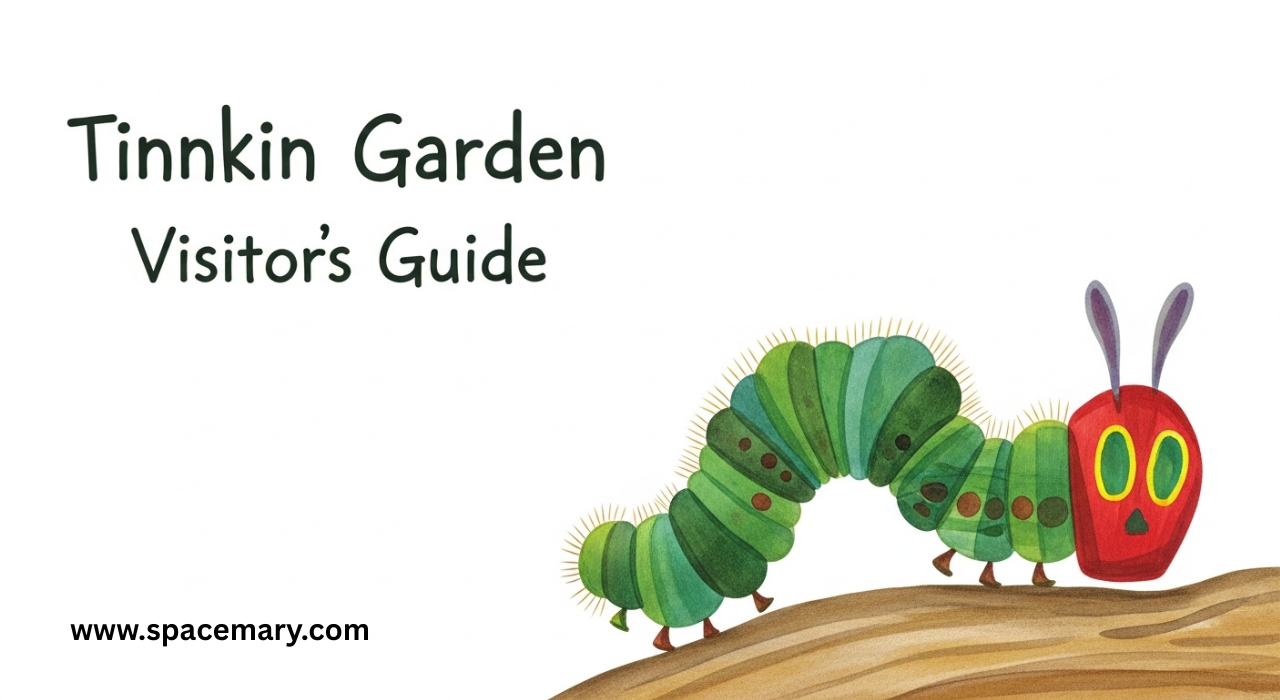
Nature is full of fascinating creatures, and few are as charming and curious as the munchkin caterpillar. With its tiny body, vibrant colors, and slow, deliberate movements, this little insect captures attention wherever it appears. Whether spotted crawling across a garden leaf or inching along a tree branch, it often sparks curiosity among children, gardeners, and nature enthusiasts alike.
But what exactly is this small crawler? Is it harmful to plants? What does it turn into? And how can you safely observe it in your garden? This comprehensive guide answers all your questions while helping you better understand one of nature’s most interesting life forms.
What Is a Munchkin Caterpillar?
The term munchkin caterpillar is commonly used to describe small, compact caterpillars that appear shorter and stubbier than other varieties. While not a scientific classification, the name reflects their miniature size and “cute” appearance.
Caterpillars are the larval stage of butterflies and moths. During this stage, their primary job is to eat and grow. Some species remain tiny throughout their larval period, giving them a compact or dwarf-like appearance that inspires the nickname.
They can be found in gardens, forests, meadows, and even urban environments. Their size and coloration often serve as protective adaptations against predators.
Physical Characteristics
Although different species vary, small-bodied caterpillars generally share several traits:
1. Compact Body Shape
They tend to have short, rounded segments compared to longer, slender caterpillars.
2. Bright or Unique Coloring
Many feature green, yellow, brown, or patterned bodies. Some display stripes or dots for camouflage or warning signals.
3. Soft Exterior
Most have smooth or slightly fuzzy bodies, though certain species may have bristles.
4. Slow Movement
They move using a wave-like contraction of muscles, gripping surfaces with tiny legs known as prolegs.
These features make them easy to recognize in gardens and natural habitats.
Life Cycle: From Tiny Larva to Winged Adult
Like all butterflies and moths, these small larvae undergo complete metamorphosis, which includes four stages:
1. Egg Stage
The life cycle begins when an adult butterfly or moth lays eggs on host plants.
2. Larval Stage
After hatching, the caterpillar focuses almost entirely on feeding. During this phase, it molts several times as it grows.
3. Pupa Stage
Once fully grown, it forms a chrysalis (butterflies) or cocoon (moths). Inside, remarkable changes occur.
4. Adult Stage
Finally, a butterfly or moth emerges, ready to reproduce and continue the cycle.
This transformation is one of the most fascinating processes in nature.
Habitat and Where to Find Them
You can commonly find these tiny crawlers in:
-
Vegetable gardens
-
Flower beds
-
Shrubs and hedges
-
Forest undergrowth
-
Parks and green spaces
They typically stay close to their host plants since food availability is critical for survival. If you notice small holes in leaves, there’s a good chance a caterpillar is nearby.
What Do They Eat?
Caterpillars are herbivores. Their diet depends on the species, but most feed on:
-
Leafy greens
-
Flower petals
-
Young shoots
-
Herb plants
-
Tree leaves
Some species prefer specific plants, while others are less selective. Because they consume plant material rapidly, gardeners may sometimes consider them pests.
Are They Harmful to Gardens?
This depends on the population size.
A single small caterpillar rarely causes serious damage. However, large groups can defoliate plants quickly. Signs of feeding damage include:
-
Chewed leaf edges
-
Skeletonized leaves
-
Droppings (frass) on foliage
-
Wilting plants
If you’re growing vegetables or ornamental plants, monitoring is important. However, many gardeners choose eco-friendly solutions rather than chemical pesticides.
Natural Predators
These small insects are part of a larger ecosystem. Their natural predators include:
-
Birds
-
Spiders
-
Ladybugs
-
Praying mantises
-
Parasitic wasps
Their small size and camouflage help protect them, but many still fall prey to hungry animals. This natural balance prevents overpopulation in most environments.
Interesting Facts
Here are some fascinating facts you might not know:
They Grow Rapidly
During the larval stage, they can increase their body weight dramatically in a short period.
Molting Is Essential
They shed their skin multiple times to accommodate growth.
Camouflage Experts
Some resemble twigs, leaves, or even bird droppings to avoid predators.
Chemical Defense
Certain species store toxins from plants, making them unpalatable to birds.
How to Observe Them Safely
If you discover one in your garden, here’s how to observe without harming it:
-
Avoid touching with bare hands, especially if it has bristles.
-
Use a leaf to gently move it if necessary.
-
Do not relocate it far from its host plant.
-
Avoid using chemical sprays nearby.
Children especially enjoy watching their slow movements and eventual transformation.
Encouraging Butterflies in Your Garden
If your goal is to support pollinators, allowing some caterpillars to remain can be beneficial. Consider these steps:
-
Plant native host plants
-
Avoid broad-spectrum pesticides
-
Create sheltered areas
-
Provide flowering plants for adult butterflies
By doing so, you contribute to biodiversity and ecological balance.
When to Take Action
If plant damage becomes severe, try these environmentally friendly solutions:
-
Hand-picking (wear gloves)
-
Introducing natural predators
-
Using neem oil sprays
-
Applying organic Bacillus thuringiensis (Bt) treatments
These methods reduce harm to beneficial insects and maintain garden health.
Educational Value for Children
Watching a caterpillar grow and transform provides a powerful science lesson. It teaches:
-
Life cycles
-
Patience
-
Environmental awareness
-
Respect for living creatures
Many teachers and parents use caterpillar kits to demonstrate metamorphosis, inspiring curiosity and appreciation for nature.
Common Misconceptions
Myth 1: All Caterpillars Are Dangerous
Most are harmless, though some hairy varieties can cause mild skin irritation.
Myth 2: They Always Destroy Plants
Small populations rarely cause permanent harm.
Myth 3: They’re Just Worms
Caterpillars are insect larvae, not worms.
Understanding these distinctions helps reduce unnecessary fear.
Ecological Importance
Despite their small size, caterpillars play an essential role in ecosystems:
-
They serve as a food source for wildlife
-
They contribute to pollination indirectly
-
They help regulate plant growth
-
They maintain ecological balance
Without them, many bird species would struggle to feed their young.
Final Thoughts
The munchkin caterpillar may be tiny, but it represents one of nature’s most extraordinary transformations. From a leaf-eating larva to a winged butterfly or moth, its journey is both delicate and powerful.
Whether you see it as a garden guest, a minor pest, or a fascinating science lesson, understanding its life cycle and ecological role allows you to appreciate its presence rather than fear it.
Next time you notice one inching along a leaf, take a moment to observe. You might just be witnessing the early stage of a future butterfly preparing to take flight.