
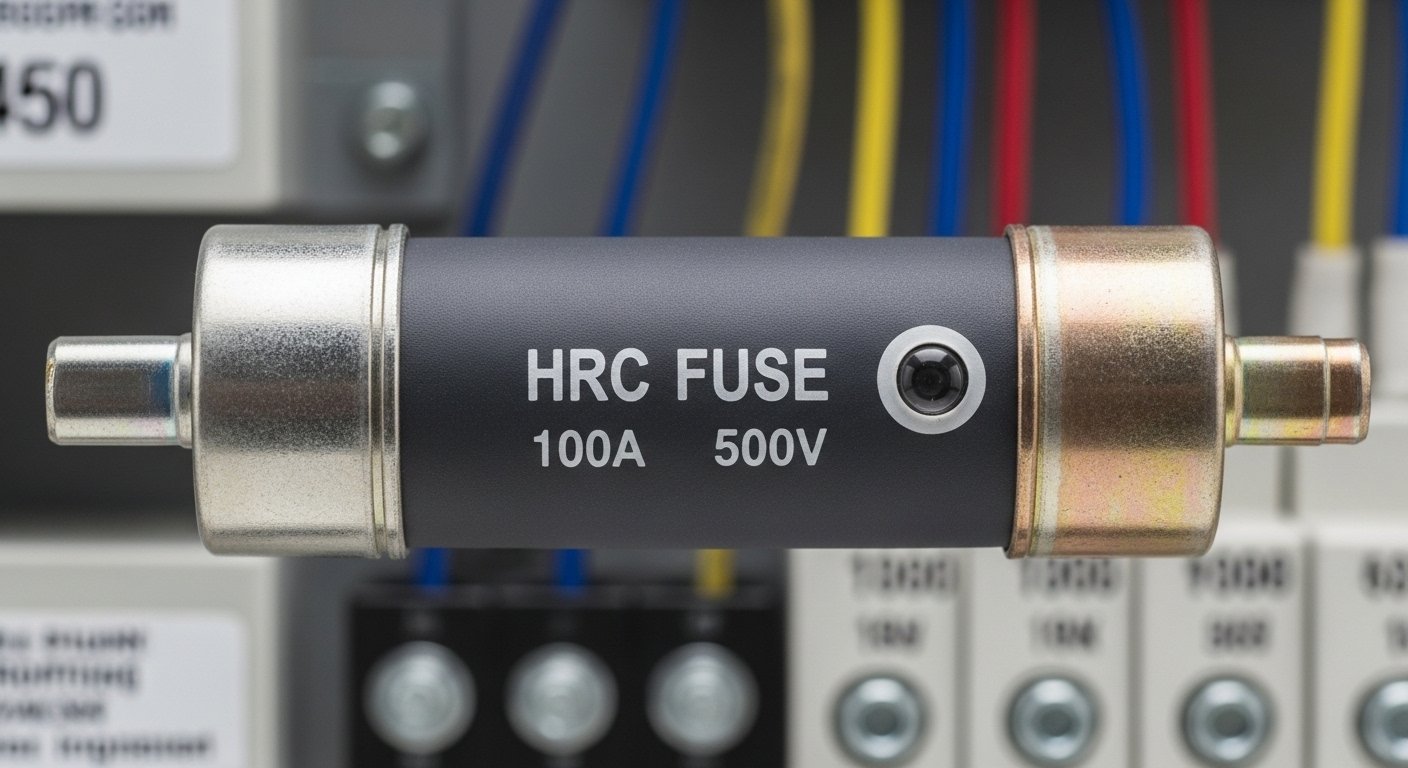
Electrical systems are the backbone of modern infrastructure, powering everything from our homes to industrial facilities. Yet, within this complex world lies a critical aspect that often goes unnoticed: high rupturing capacity (HRC). This term might sound technical, but it plays a vital role in ensuring safety and reliability in electrical applications. When an electrical fault occurs, devices with high rupturing capacity can handle these situations effectively without catastrophic failures.
Understanding HRC isn’t just for engineers; it’s essential for anyone involved in managing or maintaining electrical systems. Whether you’re a facility manager or an electrician, grasping the science behind HRC can help you make informed decisions that protect both people and property. Let’s dive deeper into what makes high rupturing capacity so important and explore the factors that influence it!
The Importance of HRC in Electrical Systems
High rupturing capacity (HRC) plays a critical role in ensuring the safety and reliability of electrical systems. It defines how much fault current a device can interrupt without failing or causing further damage.
When an electrical fault occurs, such as a short circuit, the resulting surge can be significant. HRC-rated devices are designed to handle these conditions effectively, protecting both equipment and personnel from hazardous situations.
Using devices with appropriate HRC ratings helps prevent catastrophic failures. These failures can lead to costly downtime and repairs that affect your operations.
Moreover, HRC contributes to compliance with safety regulations. Ensuring that your system meets these standards reduces liability risks while promoting safe working environments for all involved.
Investing in high-quality components with adequate HRC is not just about performance; it’s also about peace of mind.
Key Factors That Determine HRC
Several critical factors influence High Rupturing Capacity (HRC). First, the physical design of electrical devices plays a significant role. Components such as circuit breakers and fuses are engineered to withstand high fault currents without failing.
Material composition is another vital element. The choice of metals and insulation materials affects how well these devices can handle extreme conditions. High-quality materials enhance durability and reliability.
Temperature ratings also matter considerably. Devices must perform effectively under varying thermal conditions while maintaining their HRC values.
Testing standards set by organizations like UL or IEC ensure that equipment meets specific HRC requirements. Adhering to these guidelines helps manufacturers produce reliable products that protect electrical systems from failure during overloads or faults. Each factor intertwines to establish the overall robustness of electrical components in demanding environments.
Understanding Short Circuit Current Rating (SCCR)
Short Circuit Current Rating (SCCR) is a critical factor in electrical systems. It indicates the maximum fault current that equipment can safely handle without damage or dangerous failure.
Understanding SCCR helps engineers design safer and more reliable systems. When a short circuit occurs, excessive current flows through the system. If components lack adequate SCCR, they may not withstand this overload.
Each device has its unique SCCR based on construction and materials used. Manufacturers often provide these ratings to guide installations and ensure compliance with safety standards.
Choosing devices with appropriate SCCR for your specific application is essential. This ensures that if a fault occurs, the risk of catastrophic failure diminishes significantly.
Proper understanding of SCCR directly contributes to enhanced safety measures within any electrical installation.
Types of Devices with HRC Ratings
High rupturing capacity ratings are essential for various electrical devices. These ratings indicate how much fault current a device can safely interrupt without sustaining damage.
Circuit breakers are one of the most common types. They protect electrical systems by automatically switching off when excessive current flows through them. Their HRC rating ensures they can handle unexpected surges effectively.
Fuses also play a vital role in protecting circuits and equipment. With their specific HRC ratings, fuses melt to break the circuit during overloads, preventing potential hazards.
Another category includes contactors used in motor control applications. Their ability to manage high currents while maintaining safety highlights the importance of proper HRC specifications.
Switchgear components such as busbars and disconnect switches have varying HRC ratings tailored for different operational needs, ensuring efficiency and reliability across diverse settings.
Common Misconceptions about HRC
High rupturing capacity (HRC) often gets misunderstood. One common misconception is that higher HRC always means better protection. While a high rating does indicate robust performance, it’s not the only factor to consider.
Another myth suggests that all electrical devices are designed equally for HRC ratings. In reality, different components possess unique characteristics and specifications tailored to specific applications.
Many also believe that achieving compliance with HRC standards is a one-time task. However, maintaining proper ratings requires regular inspections and updates based on evolving technology and safety regulations.
Additionally, some assume that HRC is solely related to circuit breakers. It’s crucial to remember that various equipment—like fuses and switches—also have their own HRC considerations.
Understanding these misconceptions can lead to safer electrical systems and more informed decisions when selecting equipment designed for high rupturing capacity scenarios.
Real-world Examples of HRC in Action
High rupturing capacity (HRC) devices play a crucial role in various industries. In manufacturing, circuit breakers with high HRC ratings protect machinery from damaging overcurrents. These systems ensure that production lines remain operational and safe.
Another vivid example can be found in data centers. Here, HRC-rated fuses safeguard sensitive equipment against potential faults. A failure to manage these risks could lead to catastrophic losses or prolonged downtimes.
In the renewable energy sector, wind farms utilize HRC components to handle irregular voltage spikes caused by sudden gusts of wind. This protection ensures uninterrupted power generation and enhances system reliability.
Even hospitals benefit from HRC technology. Medical equipment needs unwavering protection against electrical flaws to maintain life-saving operations without interruption. High rupturing capacity devices contribute significantly to patient safety during critical procedures.
How to Ensure Proper HRC in Your Electrical System
To ensure proper high rupturing capacity in your electrical system, start with a thorough assessment. Evaluate the existing equipment and wiring for compatibility with HRC ratings.
Selecting devices that meet or exceed necessary HRC standards is crucial. Always refer to manufacturer specifications when making choices. This helps avoid dangerous oversights.
Regular maintenance plays a vital role as well. Schedule periodic inspections to check for wear and tear that could compromise performance.
Training personnel on the importance of HRC can foster better practices within your organization. Knowledgeable staff are more likely to adhere to safety protocols, minimizing risk.
Consider consulting an expert who specializes in electrical systems. Their insights can provide tailored solutions specific to your setup and needs, ensuring optimal safety and efficiency throughout your operations.
Future Innovations and Advancements in HRC Technology
The landscape of high rupturing capacity technology is evolving rapidly. As electrical systems become more complex, the demand for devices with higher HRC ratings continues to rise. Innovations in materials and design are paving the way for stronger circuit protection solutions.
Researchers are exploring advanced insulating materials that can withstand extreme conditions, enhancing reliability during short circuits. These innovations promise not only improved performance but also greater safety measures within electrical installations.
Smart technologies are also making their mark on HRC advancements. Integrating sensors into devices allows for real-time monitoring of current levels. This proactive approach aids in predicting failures before they happen, providing peace of mind to engineers and facility managers alike.
Moreover, manufacturers are investing heavily in automation processes which enhance production efficiency while ensuring consistent quality in HRC-rated devices. As competition increases, we may see a wider array of options available on the market catering to specific applications or industries.
As we look ahead, it’s clear that the future holds exciting possibilities for high rupturing capacity technologies. Embracing these developments will be crucial as industries adapt to new challenges while maintaining robust electrical systems.