
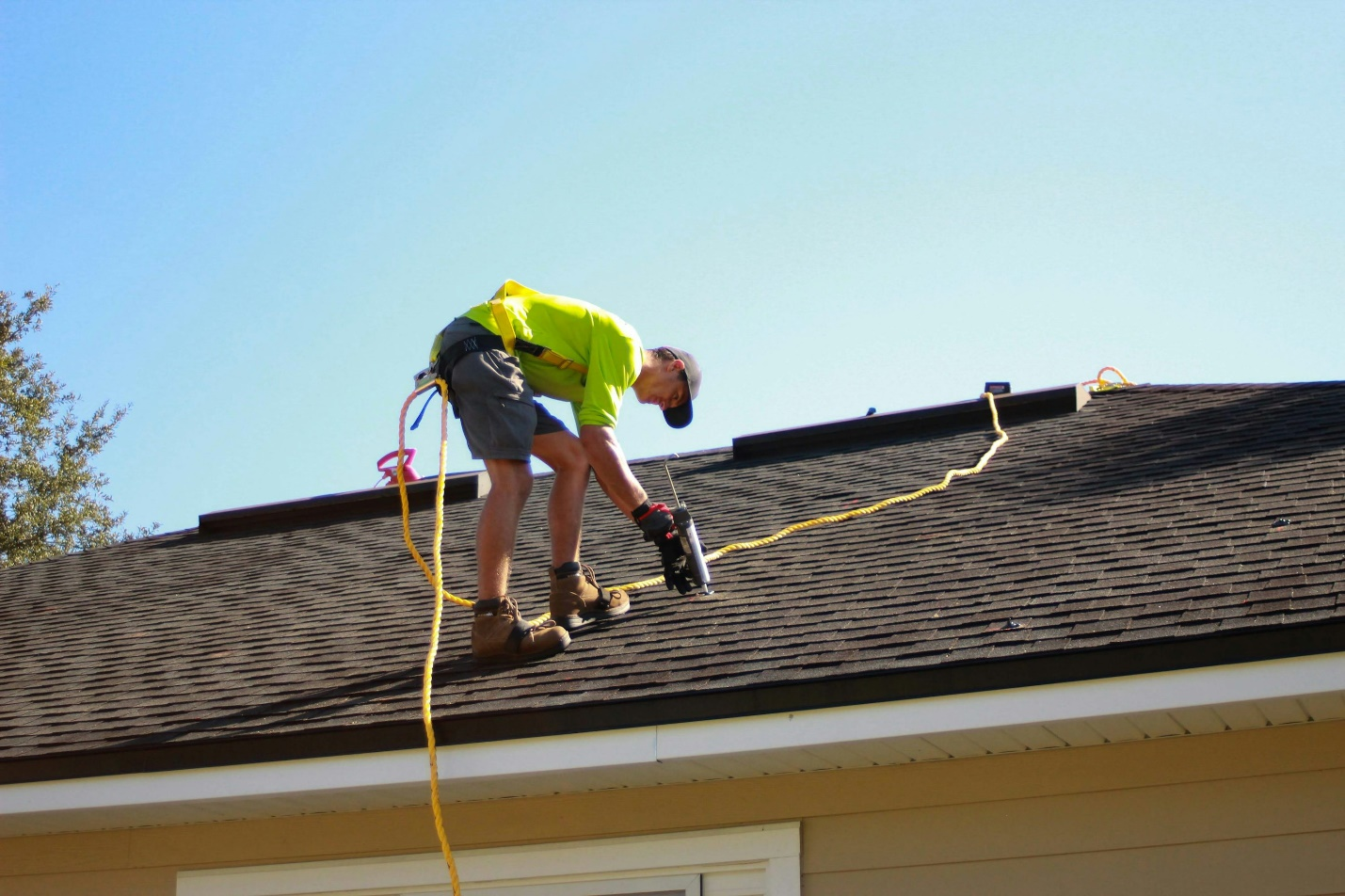
The idea of a modern home has evolved. Homeowners now expect more than attractive finishes and open layouts. They want performance, durability, and measurable energy savings. A truly efficient home maintains comfort in both winter and summer without overworking the HVAC system. That level of control begins with the roof.
Your roof directly affects how much heat enters and escapes your home. In Olean, NY, where winters bring heavy snow and freezing temperatures, and summers still deliver humidity and sun exposure, roofing materials face constant stress. Choosing the right system is a financial decision, not just a design choice. It influences utility bills, indoor comfort, and long-term structural protection.
The Challenge of Maintaining a Temperature-Controlled Home
Maintaining a consistent indoor temperature requires coordination between insulation, ventilation, and roofing materials. Heat rises, so the roof absorbs and transfers much of the home’s thermal load. In winter, warm air can escape through poorly insulated areas. In summer, attic heat buildup forces cooling systems to run longer than necessary.
Seasonal weather patterns add even more pressure. Freeze-thaw cycles, snow accumulation, and temperature swings can compromise roofing performance over time. Proper installation matters just as much as material selection. Hiring a local roofing company ensures ventilation, insulation, and moisture protection are properly designed to meet climate demands, reducing preventable energy loss.
The Science Behind Cool Roofs and Solar Reflectance
Cool roofing systems rely on two measurable properties: solar reflectance and thermal emittance. Solar reflectance determines how much sunlight a surface reflects, while thermal emittance measures how effectively it emits absorbed heat. Materials with high ratings in both categories remain cooler under direct sun exposure.
Lower surface temperatures mean less heat transfer into attic spaces. As a result, air conditioning systems operate more efficiently. Options include reflective shingles, specialized coatings, and light-colored membranes designed to minimize heat absorption. For homes exposed to steady sunlight, cool roofs offer practical energy savings.
Metal Roofing: Where Durability Meets Energy Savings
Metal roofing reflects a significant portion of solar radiation, helping reduce heat absorption during warmer months. It also cools quickly after sunset, which helps maintain a better overnight temperature balance.
Longevity adds another advantage. Many metal roofing systems last 40 to 70 years with proper care. Fewer replacements reduce long-term material costs and environmental impact. Metal roofs also pair well with upgraded insulation and solar installations, making them a strong option for energy-conscious homeowners.
Solar Shingles and Integrated Photovoltaic Systems
Solar shingles combine energy generation with structural protection. Unlike traditional solar panels mounted above existing roofing, these systems integrate directly into the roof’s surface. They maintain a streamlined appearance while producing electricity from sunlight.
Over time, the energy produced offsets installation costs, especially when combined with tax incentives. Homeowners who plan to stay long term often see substantial savings on utility bills. Integrated photovoltaic systems also enhance resale appeal by offering built-in renewable energy production.
Traditional vs. Reflective Asphalt Shingles
Asphalt shingles remain one of the most common roofing materials because they are affordable and widely available. Traditional options perform adequately in many climates but tend to absorb significant heat. That absorbed heat can transfer into the attic, especially during warmer months, increasing the demand on cooling systems.
Reflective asphalt shingles improve on this design by incorporating specially engineered granules that bounce more sunlight away from the surface. They look similar to standard shingles but offer better thermal performance. For homeowners who want a cost-effective upgrade without altering their roof’s overall appearance, reflective asphalt offers a practical middle ground between basic materials and premium systems.
The Role of Proper Attic Ventilation and Insulation
Even the most advanced roofing material cannot perform well without proper ventilation and insulation. Ventilation systems, including ridge and soffit vents, allow air to circulate through the attic. This airflow helps regulate temperature and reduces moisture buildup, which can otherwise weaken structural components over time.
Insulation works alongside ventilation to limit heat transfer between the attic and living areas. When insulation levels meet recommended standards, your HVAC system operates more efficiently and maintains a consistent indoor temperature. Together, ventilation and insulation protect your roof investment and enhance the energy savings promised by high-performance materials.
Sustainable Roofing Materials: Clay, Slate, and Recycled Composites
Clay and slate have earned strong reputations for durability and natural thermal resistance. These materials can last for decades, sometimes more than a century, with proper care. Their density helps moderate temperature fluctuations, which supports energy efficiency in both hot and cold climates.
Recycled composite shingles offer another sustainable option. Manufacturers use repurposed rubber or plastic to create durable products that mimic the look of traditional materials. These shingles reduce landfill waste and often require less energy to produce than conventional alternatives. For homeowners focused on environmental impact, sustainable roofing materials deliver both performance and responsible sourcing.
Tax Credits, Incentives, and Long-Term ROI
Energy-efficient roofing upgrades often qualify for federal or state incentives. Solar installations, reflective roofing systems, and certain insulation improvements may provide tax credits or rebates. These programs reduce upfront costs and make advanced roofing solutions more accessible to homeowners.
Beyond incentives, the long-term return on investment deserves attention. Lower monthly energy bills add up to substantial savings over the years. Energy-efficient features also appeal to buyers, thereby increasing resale value. When viewed over the roof’s lifespan, these upgrades often justify the initial expense.
Maintenance Tips to Preserve Thermal Performance
Energy efficiency does not end after installation. Regular inspections help identify damaged shingles, deteriorating flashing, or clogged vents that can compromise thermal performance. Addressing small issues early prevents them from developing into costly repairs that affect both comfort and energy use.
Seasonal maintenance also plays a role. Clearing debris from gutters and roof surfaces ensures proper drainage and reduces moisture-related damage. Checking insulation levels and ventilation pathways every few years keeps the system functioning as designed. Consistent upkeep protects your investment and supports reliable performance in every season.
Building a Smarter, More Sustainable Home
Energy-efficient roofing requires thoughtful material selection, proper installation, and consistent maintenance. Options such as reflective shingles, metal panels, solar systems, and sustainable materials each contribute to improved performance. When combined with strong insulation and ventilation, they reduce energy use and stabilize indoor temperatures.
A modern home should deliver measurable comfort and savings. Prioritizing roofing efficiency helps lower expenses, increase property value, and create a more resilient living environment.