
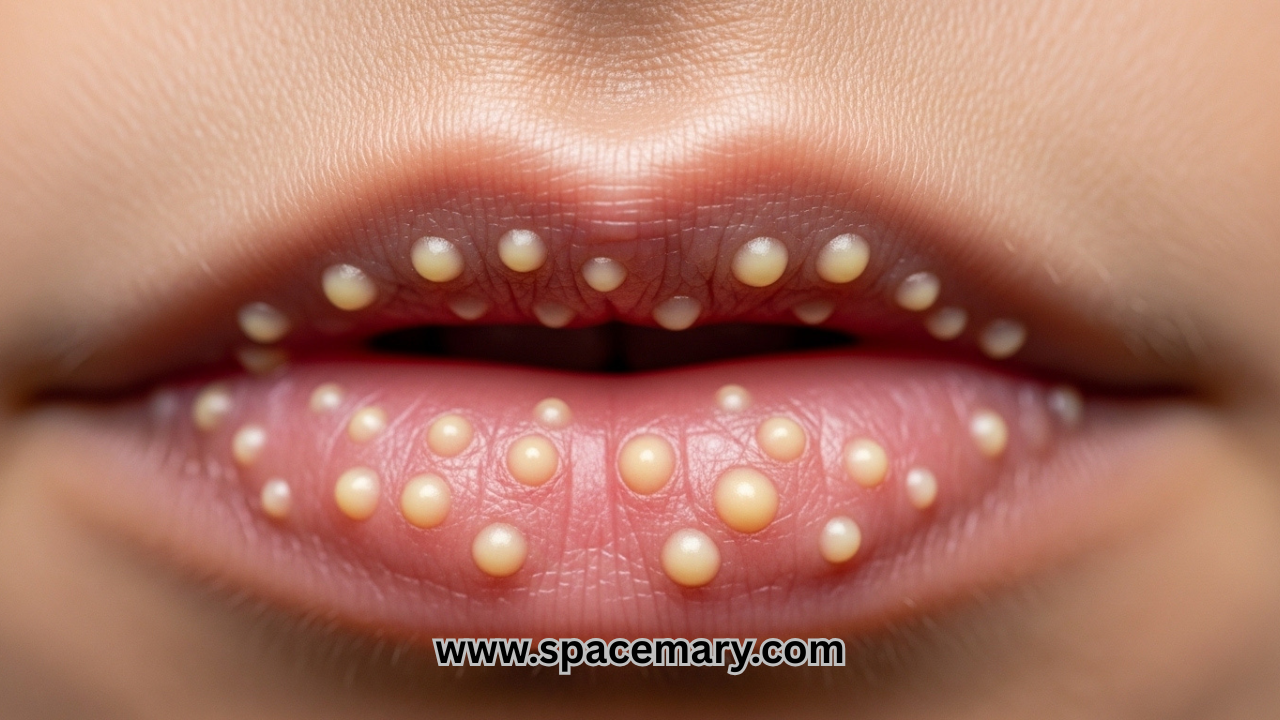
Have you ever noticed small, painless bumps on your lips or the inside of your cheeks and wondered what they are? You’re not alone. These little spots, known as Fordyce spots, can catch many people off guard. While they might seem alarming at first glance, understanding Fordyce spots is key to feeling more at ease about them. They’re a common occurrence and often nothing to worry about. Let’s dive into what these pesky but harmless blemishes are all about!
What Causes Fordyce Spots?
Fordyce spots are harmless bumps that often appear on the lips or genitals. But what triggers their formation?
Essentially, these spots are sebaceous glands without hair follicles. Everyone has them, but they may become more noticeable during certain life stages, such as puberty or pregnancy.
Hormonal changes play a significant role in this process. Increased oil production can lead to enlarged glands, making Fordyce spots more prominent.
Genetics might also be a factor. If your parents had visible Fordyce spots, there’s a higher chance you will too.
Moreover, lifestyle choices like smoking can exacerbate their appearance by irritating the skin and increasing oiliness around the mouth.
While they can cause concern for some individuals due to aesthetics, it’s important to remember that Fordyce spots are completely natural and pose no health risks.
Signs and Symptoms of Fordyce Spots
Fordyce spots are small, painless bumps that often appear on the lips or inside the cheeks. They vary in size but typically measure between 1 to 3 millimeters.
These spots can be yellowish or white and may cluster together. While they are not harmful, their appearance can cause concern for many people.
Most importantly, Fordyce spots do not itch or burn. This sets them apart from other skin conditions like acne or allergic reactions.
People often notice them during routine grooming activities such as shaving or applying lip balm. Their sudden visibility might lead to questions about skin health.
In general, there’s no discomfort associated with these spots, making them primarily a cosmetic issue rather than a medical one.
Treatment Options for Fordyce Spots
Treatment options for Fordyce spots vary based on individual needs and preferences. While many people choose to leave them alone, some seek ways to minimize their appearance.
One effective method is laser therapy. This procedure targets the spots with focused light, reducing their visibility without harming surrounding skin.
Another option includes cryotherapy, where extreme cold is applied to the affected areas. This treatment can help eliminate the spots over time by freezing them off.
For those looking for a less invasive approach, topical treatments containing retinoids may prove beneficial. These can encourage cell turnover and potentially reduce the prominence of Fordyce spots.
Consulting a dermatologist is always advisable before pursuing any treatment plan. They can provide personalized recommendations based on skin type and overall health conditions.
Natural Remedies for Fordyce Spots
Natural remedies for fordyce spots can help reduce their appearance and improve skin texture. One popular option is coconut oil, known for its moisturizing properties. Gently massaging it onto the affected areas may provide relief.
Another remedy involves using aloe vera gel. Its soothing qualities can promote healing and potentially minimize spots over time. Simply apply fresh aloe directly to your skin daily.
Tea tree oil is another contender due to its antibacterial properties. Diluting it with a carrier oil before application might offer benefits without irritation.
You could also explore dietary changes. Incorporating foods rich in antioxidants may support overall skin health, fostering a more vibrant complexion.
Staying hydrated is essential; drinking ample water helps maintain skin elasticity while flushing out toxins that could contribute to various skin conditions.
Prevention Tips for Fordyce Spots
Maintaining good skin hygiene can help reduce the appearance of fordyce spots. Wash your face regularly with a gentle cleanser to keep pores clear and healthy.
Stay hydrated by drinking plenty of water throughout the day. This keeps your skin moisturized and may prevent new spots from forming.
Avoid excessive sun exposure. Protecting your skin from UV rays can also minimize irritation, which might exacerbate existing spots.
Be cautious with skincare products. Opt for non-comedogenic options that won’t clog pores or trigger breakouts.
Regularly exfoliating helps remove dead skin cells, promoting fresh cell turnover. However, avoid harsh scrubs that could irritate the skin further.
Consider managing stress through relaxation techniques like yoga or meditation. Stress can impact overall skin health, potentially influencing conditions like fordyce spots.
Conclusion
Fordyce spots are harmless and often go unnoticed, but understanding them can help alleviate concerns. They are a common occurrence and usually don’t require treatment unless they cause discomfort or emotional distress. Recognizing the signs and symptoms is key to identifying these spots.
While there are various treatments available, including medical options, many people find success with natural remedies as well. Prevention tips can also play a role in minimizing their appearance.
Knowledge about fordyce spots empowers individuals to make informed decisions regarding their skin health. If you have any doubts or experience significant changes, it’s always wise to consult a healthcare professional for personalized advice tailored to your needs.