
Imagine wandering through a vibrant forest, where the trees stand tall and varied species of plants and animals coexist. Each organism has its own unique traits that help it thrive in this ecosystem. But have you ever wondered how such diversity comes to be? The answer lies in the fascinating process of speciation.
Speciering is not just about change; it’s about evolution at its finest. It dives deep into how new species emerge over time from existing ones, driven by various factors including environmental shifts and genetic variation. Join us as we explore the intricate dance between adaptation and survival, revealing how life on Earth continues to evolve in breathtaking ways. From understanding fundamental concepts to discovering real-world examples, this journey will unveil the hidden mechanisms behind one of nature’s most remarkable processes: speciation!
What is Speciation?
Speciation is the evolutionary process through which new species arise from existing ones. It’s a fundamental concept in biology that explains how life diversifies over time.
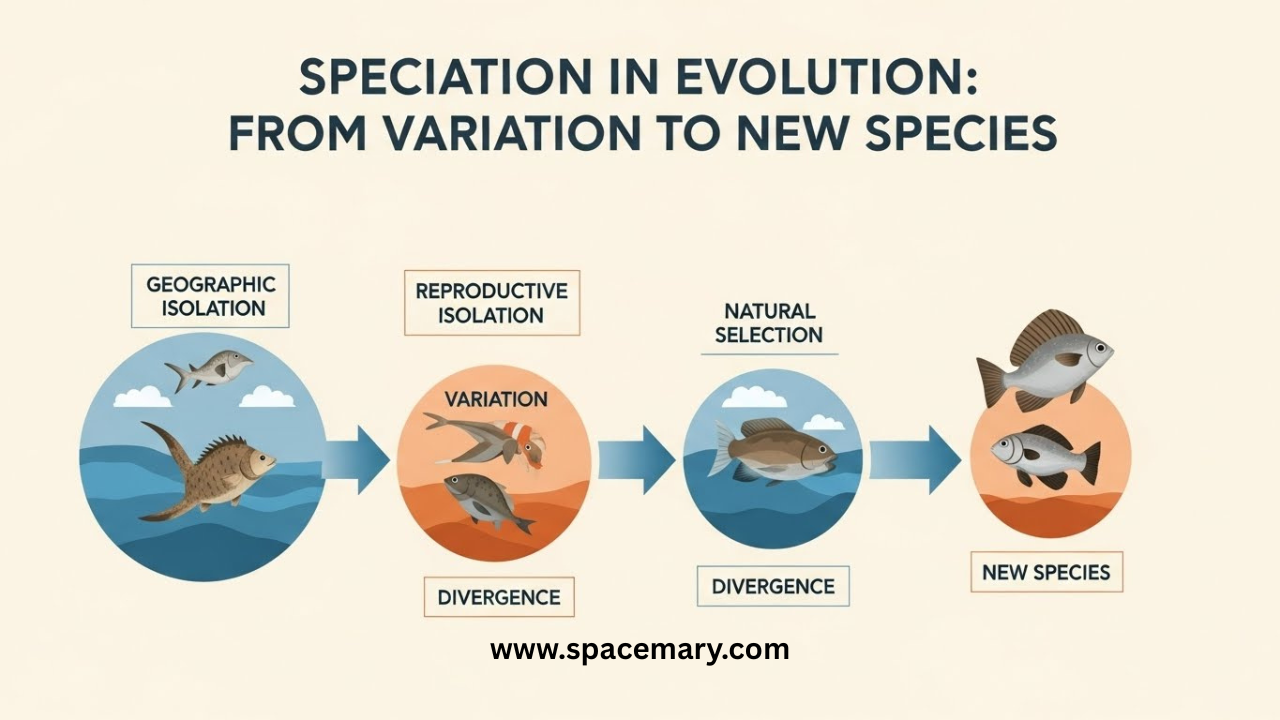
At its core, speciation occurs when populations of a single species become isolated. This separation can result from geographical barriers like mountains or rivers, or even behavioral differences that keep groups apart.
As these populations evolve independently, genetic variations accumulate. Over generations, these changes can lead to significant differences in traits and behaviors.
Eventually, the two groups may diverge so much that they cannot interbreed even if they come back into contact. When this reproductive isolation happens, a new species has formed—a testament to nature’s incredible creativity and resilience.
Understanding the Evolutionary Process
Evolution is a complex dance of change over time. It’s not just about survival; it’s about adaptation and transformation. Each species holds its own story, shaped by the environment and challenges faced.
At the heart of evolution lies genetic variation. This diversity allows populations to respond dynamically to changing conditions. Adaptations emerge through natural selection, where traits that enhance survival become more prominent in subsequent generations.
The evolutionary process is gradual but relentless. Small changes accumulate, leading to significant transformations over vast timelines. Fossils offer snapshots of this journey, revealing how life has evolved from simple organisms to the rich tapestry we see today.
Mutation plays a critical role too. Random alterations in DNA can introduce new characteristics. Sometimes these lead to benefits; other times they may be neutral or harmful.
Understanding this intricate web helps us appreciate life’s complexity on Earth more deeply than ever before.
The Role of Variation in Speciation
Variation is the foundation of speciation. Without it, evolution would stall. Every species begins with genetic differences among individuals within a population.
These variations can arise from mutations, gene flow, and sexual reproduction. Each factor introduces new traits that may enhance survival or adaptability in changing environments.
As populations face different challenges—like climate shifts or food shortages—certain traits become more advantageous. This natural selection process allows specific characteristics to flourish while others fade away.
Over time, these adaptations can lead to significant changes. Eventually, groups may diverge so much that they no longer interbreed, marking the birth of new species.
Understanding this role of variation enriches our grasp of how life evolves on Earth. It highlights the importance of diversity for resilience in ecosystems and evolutionary processes alike.
Modes of Speciation: Allopatric and Sympatric
Speciation occurs through different modes, primarily allopatric and sympatric. These processes illustrate how new species emerge in distinct contexts.
Allopatric speciation happens when populations are geographically separated. This isolation can arise from mountains, rivers, or other physical barriers. Over time, the divided groups adapt to their unique environments, leading to genetic divergence. Eventually, these changes become significant enough that they cannot interbreed even if they come back into contact.
Sympatric speciation is a bit more complex. Here, new species evolve within the same geographical area. This usually involves shifts in behavior or preferences rather than physical separation. For example, differences in mating habits or dietary choices can lead to reproductive isolation among individuals of the same population.
Both modes highlight nature’s incredible ability to create diversity through adaptation and change under varying conditions.
Examples of Speciation in Nature
Speciation is all around us, often in the most unexpected places. Take Darwin’s finches, for instance. These birds evolved on the Galápagos Islands into multiple species, each with unique beak shapes adapted to different food sources.
Another fascinating example is the cichlid fish in African lakes. Over thousands of years, they have diversified into hundreds of distinct species. Their vibrant colors and varied feeding strategies showcase nature’s creativity.
Even plants are not left out of this evolutionary dance. The flowering plant Senecio eboracensis arose from hybridization between two parent species, demonstrating how genetic mixing can lead to new life forms.
These instances highlight that speciation isn’t just a historical phenomenon; it continues today in various ecosystems worldwide. Each case illustrates adaptation and survival as organisms respond to their environments over time.
The Impact of Speciation on Biodiversity
Speciation plays a crucial role in shaping biodiversity. As new species emerge, they contribute to the complex web of life on Earth. Each unique organism can fill specific ecological niches, allowing for greater adaptability within ecosystems.
This diversification fosters resilience against environmental changes. More species mean varied responses to stressors like climate change or habitat loss. Some may thrive while others falter, contributing to ecosystem stability.
Moreover, speciation encourages interaction among species through predator-prey dynamics and symbiotic relationships. These connections strengthen ecosystems and promote evolutionary innovations.
The richness brought by speciation isn’t just about numbers; it enhances genetic diversity as well. A broader gene pool increases the potential for adaptation, ensuring that life continues to flourish even amid challenges.
As we study this process further, understanding its impact on biodiversity becomes essential for conservation efforts aimed at protecting our planet’s myriad forms of life.
Future Directions in Studying Speciation
The study of speciering is entering a new era, driven by advanced technologies. Genomic sequencing allows scientists to dive deeper into genetic variations that underlie speciation.
Researchers are now able to analyze the DNA of species in real-time, shedding light on evolutionary relationships previously obscured. This precision opens doors for exploring how environmental changes influence genetic divergence.
Additionally, the integration of machine learning and big data analytics offers promising avenues. By processing vast amounts of ecological and behavioral data, scientists can predict patterns in speciation with unprecedented accuracy.
Field studies remain crucial as well. Observing organisms in their natural habitats provides insights into factors like mating behaviors and habitat preferences that drive divergence.
As interdisciplinary collaboration grows, combining genetics with ecology will enhance understanding further. This synergy may reveal intricate dynamics shaping biodiversity across ecosystems globally.
Conclusion
Speciering is a fascinating journey through the complexities of evolution. It reveals how life adapts and diversifies over time, creating the rich web of biodiversity we see today. By understanding the mechanisms behind speciation, such as variation and different modes like allopatric and sympatric speciation, we can appreciate nature’s ingenuity.
The examples found in our ecosystems showcase just how dynamic this process can be. From Darwin’s finches to cichlid fish in African lakes, each case highlights unique adaptations that lead to new species. The impact on biodiversity is profound; every new species adds another layer of complexity and balance to our environments.
As research continues to unfold, scientists are finding innovative ways to study speciation. Advances in genetics and technology open pathways for deeper insights into evolutionary processes that were once shrouded in mystery.
Understanding speciering not only enriches our knowledge but also emphasizes the importance of conservation efforts. Protecting diverse habitats ensures that these natural processes continue uninterrupted for generations to come. Exploring this topic offers endless possibilities for discovery in both science and nature appreciation.